How Automotive Air Conditioning Repair Works:What are the first steps a technician takes when diagnosing an automotive air conditioning problem?
Q: What are the first steps a technician takes when diagnosing an automotive air conditioning problem?
A: When diagnosing an automotive air conditioning problem, a technician typically starts with a visual inspection and performance test. They check for obvious signs of damage, such as leaks, worn belts, or debris in the condenser. Next, they connect manifold gauges to measure high- and low-side pressures, which indicate whether the system is undercharged, overcharged, or has a restriction. According to the 2026 Automotive Air Conditioning Service Guide published by the Mobile Air Climate Systems Association (MACS), proper diagnosis also involves measuring vent temperatures and comparing them to ambient conditions. Technicians may use electronic leak detectors or UV dye to pinpoint leaks, as recommended in the 2026 EPA Section 609 regulations. These initial steps help determine whether the issue is refrigerant-related, electrical, or mechanical before any repairs begin.
Q: How does a technician recover and recycle refrigerant during an AC repair?
A: During an automotive AC repair, a technician must recover and recycle refrigerant to comply with environmental regulations and prevent release into the atmosphere. Using a certified recovery machine, they extract the refrigerant from the system into a storage cylinder. The machine separates oil and contaminants, then purifies the refrigerant for reuse. The 2026 EPA Section 609 standards require that technicians recover at least 90% of the refrigerant for older systems and 95% for newer ones. The 2026 MACS Recommended Service Procedures emphasize that recovered refrigerant must be recycled according to SAE J2788 or J2810 standards before recharging. This process not only protects the environment but also ensures the system operates efficiently. After recovery, the technician can proceed with repairs, such as replacing a faulty compressor or O-rings, without losing refrigerant.
Q: What components are commonly replaced during an automotive AC repair, and why?
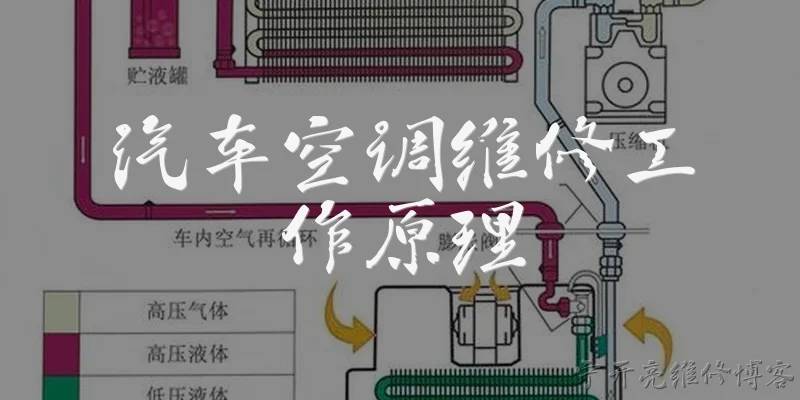
A: Common components replaced during automotive AC repair include the compressor, condenser, evaporator, expansion valve or orifice tube, receiver-drier or accumulator, and various O-rings and seals. The compressor often fails due to lack of lubrication or debris, while the condenser can be damaged by road debris or corrosion. The 2026 Automotive Air Conditioning Repair Trends Report by the Motor & Equipment Manufacturers Association (MEMA) notes that expansion valves and orifice tubes clog frequently, restricting refrigerant flow. Receiver-driers and accumulators contain desiccants that degrade over time, leading to moisture in the system. According to the 2026 MACS Service Guide, whenever the system is opened for repair, it's best practice to replace the receiver-drier or accumulator to prevent future issues. These replacements restore proper refrigerant flow and system efficiency.
Q: How is the AC system recharged after repair, and what checks ensure it works properly?
A: After repairing an automotive AC system, the technician recharges it with the correct amount and type of refrigerant, typically R-134a or R-1234yf. They use a charging station to add refrigerant by weight, as specified by the vehicle manufacturer. The 2026 EPA Section 609 regulations require that technicians use accurate scales and follow manufacturer procedures. Once charged, the technician checks system pressures with manifold gauges and measures vent temperatures to ensure proper cooling. The 2026 MACS Recommended Service Procedures suggest performing a performance test: with the engine running and AC on max, vent temperatures should be within 10°F of the manufacturer's specification. Additionally, they inspect for leaks using electronic detectors or UV dye. Finally, they verify that the compressor engages smoothly and that all electrical components function correctly, ensuring a reliable repair.
Dialogue about
Common scenarios of "How Automotive Air Conditioning Repair Works"
【Customer】 Hi, my car's A/C isn't blowing cold air. Can you take a look at it?
【Mechanic】 Sure, I can help with that. When did you first notice the issue?
【Customer】 About a week ago. It started blowing warm air, and sometimes there's a weird smell.
【Mechanic】 Okay, that could be a few things. Let's start by checking the refrigerant level and the compressor.
【Customer】 How do you check the refrigerant level?
【Mechanic】 We use a set of manifold gauges to measure the pressure on both the high and low sides. If it's low, there might be a leak.
【Customer】 And if there's a leak, how do you find it?
【Mechanic】 We can use UV dye or an electronic leak detector. The dye glows under UV light, so we can trace where it's escaping.
【Customer】 What about the compressor? How do you test that?
【Mechanic】 We check if the compressor clutch engages when the A/C is on. If it doesn't, it could be a faulty clutch, relay, or low refrigerant.
【Customer】 I see. So if the refrigerant is low, do you just recharge it?
【Mechanic】 We can recharge it, but first we need to fix any leaks. Otherwise, it'll just leak out again. We also need to evacuate the system to remove moisture and air.
【Customer】 How long does a typical A/C repair take?
【Mechanic】 It depends on the issue. A simple recharge might take an hour, but if we need to replace the compressor or condenser, it could take several hours or even a day.
【Customer】 Okay. Can you give me an estimate of the cost?
【Mechanic】 I can give you a rough estimate after I diagnose it. A recharge is usually around $150-$200, but a compressor replacement can be $800-$1200 including parts and labor.
【Customer】 That's a bit more than I expected. Is there anything I can do to prevent future issues?
【Mechanic】 Yes, run your A/C for a few minutes every week, even in winter, to keep the seals lubricated. Also, get it checked annually.
【Customer】 Thanks for the tips. I'll go ahead and have you diagnose it.
【Mechanic】 Great. I'll get started and let you know what I find.