Duct coil fan cleaning without disassembly:What does duct coil fan cleaning without disassembly mean?
Q: What does duct coil fan cleaning without disassembly mean?
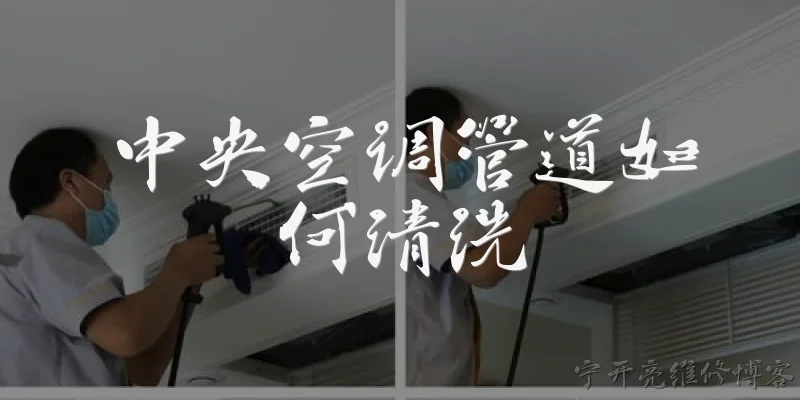
A: Duct coil fan cleaning without disassembly refers to the process of cleaning the fan blades, coil surfaces, and surrounding ductwork in an HVAC system without removing the fan or coil from their installed position. This method is designed to save time, reduce labor costs, and minimize the risk of damaging components during removal and reassembly. Technicians use specialized tools such as flexible brushes, air whips, chemical cleaners, and high-pressure water or steam injectors that can reach into tight spaces through access panels or existing openings. The goal is to remove dust, mold, and biofilm that can reduce airflow and heat transfer efficiency. While it is not as thorough as a full disassembly, when performed correctly, it can restore a significant portion of system performance and improve indoor air quality. It is especially useful for systems where disassembly is impractical due to space constraints, age, or the risk of breaking brittle parts. Regular maintenance using this approach can extend the life of the unit and reduce energy consumption.
Q: When is cleaning a duct coil fan without disassembly not recommended?
A: Cleaning a duct coil fan without disassembly is not recommended when the contamination is severe, such as heavy mold growth, thick layers of grease or dirt, or when the coil fins are physically damaged or bent. In these cases, surface cleaning without disassembly will not reach deep into the coil or remove all debris, potentially leaving behind pathogens or blockages that continue to harm system performance. Also, if the fan motor or bearings are failing and require replacement, disassembly is necessary. Systems with poor access, no service panels, or ductwork that cannot be opened safely also make no-disassembly cleaning ineffective. Additionally, if the HVAC unit is under warranty, some manufacturers may require full disassembly and professional cleaning to maintain coverage. In such situations, attempting a no-disassembly clean could void the warranty or cause further damage. Always assess the level of contamination and the overall condition of the system before deciding on the cleaning method.
Q: What tools and techniques are used for duct coil fan cleaning without disassembly?
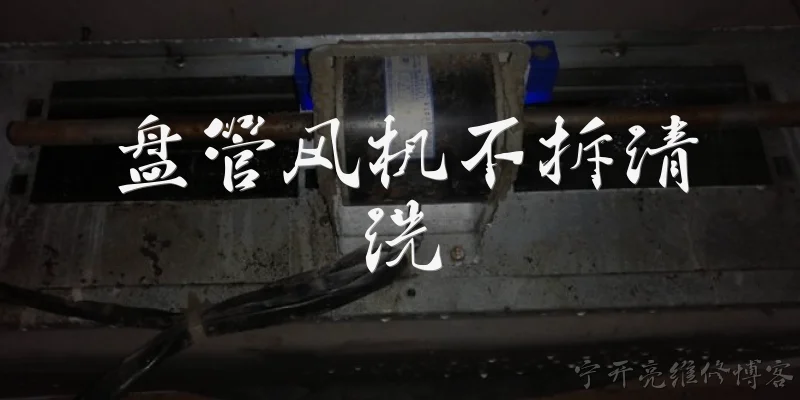
A: Common tools for duct coil fan cleaning without disassembly include flexible coil cleaning brushes, air whips or blow guns, chemical coil cleaners (often foaming or self-rinsing), pump sprayers, wet/dry vacuums with HEPA filters, and pressurized water or steam cleaners. Technicians typically start by turning off power and creating access through existing panels or by cutting small service openings. They then apply a cleaning solution to the coil and fan blades, let it dwell, and use brushes or air whips to loosen dirt. For deeper cleaning, a low-pressure water rinse or steam is used, followed by vacuuming to remove residual moisture and debris. Some professionals use rotating nozzles or special wands that fit through narrow gaps. It is crucial to protect electrical components from moisture and to ensure proper drainage. After cleaning, the system should be dried and inspected. This technique requires skill to avoid bending fins or damaging the fan, so hiring a trained technician is recommended.
Words of experience
Common scenarios of "Duct coil fan cleaning without disassembly"
【Technician Li】 Hi, Mr. Wang. I heard you're having issues with your AC's cooling efficiency. Is that right?
【Homeowner Wang】 Yes, Li. The airflow seems weak and it's not cooling as well as before. I suspect the duct coil fan is dirty.
【Technician Li】 That's a common problem. Cleaning it can improve efficiency, but disassembling the unit is time-consuming and costly. Have you considered cleaning without disassembly?
【Homeowner Wang】 I didn't know that was possible. How does it work?
【Technician Li】 We use specialized tools and cleaning solutions that can be applied directly to the coil and fan through access panels or existing openings.
【Homeowner Wang】 Is it as effective as full disassembly?
【Technician Li】 When done properly, it can remove most of the dirt and debris. However, for heavily soiled coils, disassembly might still be needed.
【Homeowner Wang】 What kind of tools are required?
【Technician Li】 We typically use a flexible wand with a nozzle for pressurized water or air, along with brushes designed to reach tight spaces. Also, a shop vacuum to extract loosened dirt.
【Homeowner Wang】 Do you need to use chemicals?
【Technician Li】 Yes, a mild coil cleaner that is safe for indoor use. We spray it on, let it dwell, then rinse with low-pressure water.
【Homeowner Wang】 Won't water damage the electrical components?
【Technician Li】 We take precautions: covering motors and controls with plastic sheeting, and using minimal water. Sometimes we use a no-rinse cleaner.
【Homeowner Wang】 How long does the process take?
【Technician Li】 About 1-2 hours for a typical system, depending on accessibility and dirt level.
【Homeowner Wang】 What about the fan blades? Can they be cleaned without removal?
【Technician Li】 Yes, we can use a soft brush and vacuum, or a gentle stream of air to remove dust buildup. For sticky grime, a damp cloth with cleaner works.
【Homeowner Wang】 Will this improve my energy bills?
【Technician Li】 Definitely. A clean coil and fan reduce strain on the system, leading to lower energy consumption and better cooling.
【Homeowner Wang】 That sounds great. Can you do it this week?
【Technician Li】 Sure, I have an opening on Thursday. I'll bring all the necessary equipment.
【Homeowner Wang】 Perfect. Thanks, Li. See you then.
【Technician Li】 You're welcome. I'll confirm the appointment tomorrow. Have a good day!