How to repair a dishwasher that won't heat:Why is my dishwasher not heating the water or drying dishes?
Q: Why is my dishwasher not heating the water or drying dishes?
A: According to repair guides from Sears Home Services and RepairClinic, a dishwasher that won't heat often stems from a faulty heating element, a broken high-limit thermostat, or a defective control board. The heating element may burn out and show visible breaks or no continuity. The high-limit thermostat, a safety switch that cuts power if the element overheats, can fail in the open position. Additionally, a malfunctioning control board may not send voltage to the element. To diagnose, first check for power at the element during the dry cycle. If voltage is present but the element doesn't heat, replace it. Always disconnect power before testing.
Q: How do I test the heating element in a dishwasher that won't heat?
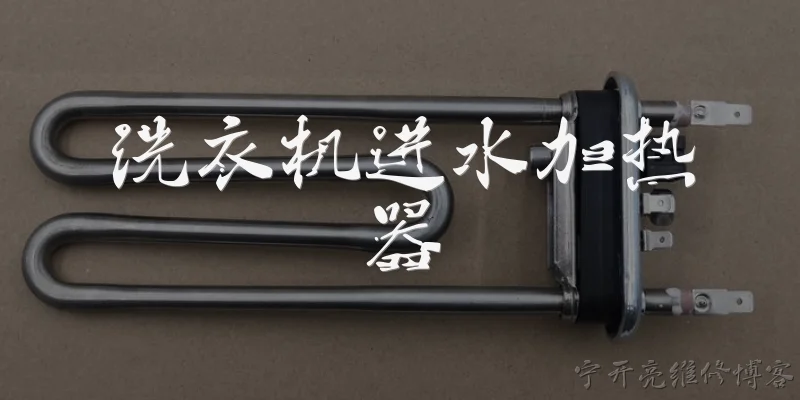
A: Per RepairClinic's troubleshooting guide, first disconnect power at the circuit breaker. Access the heating element, usually located at the bottom of the tub. Use a multimeter set to measure resistance (ohms). Place the probes on the two element terminals. A good element typically reads between 10 and 30 ohms. If the meter shows no continuity (OL), the element is broken and must be replaced. Also, inspect for visible damage like blisters or cracks. If the element tests good, check the high-limit thermostat and control board. Always refer to your model's technical sheet for exact resistance values.
Q: Can a faulty thermostat cause a dishwasher not to heat?
A: Yes, according to appliance repair experts at PartSelect, the high-limit thermostat is a common culprit. This safety device cuts power to the heating element if it gets too hot. Over time, the thermostat can fail in the open position, preventing any heat. To test it, disconnect power and remove the thermostat. Use a multimeter to check for continuity across its terminals. A good thermostat should show near-zero resistance. If there is no continuity, replace it. Some models also have a separate thermistor for temperature sensing; a bad thermistor can send incorrect signals to the control board, also stopping heat.
Q: What should I check if my dishwasher's control board is not sending power to the heating element?
A: As outlined by Sears PartsDirect, if the heating element and thermostat test good, the control board may be at fault. First, verify that the board is receiving proper voltage and that all wire connections are secure. During the dry cycle, use a multimeter to check for voltage at the heating element terminals. If no voltage is present, the control board likely isn't energizing the circuit. Before replacing the board, inspect for burnt spots or loose solder joints. Also, check the door latch switch, as some models require the door to be locked for heat to activate. If the board is defective, replacement is usually the only fix.
Q: Are there any safety precautions I should take when repairing a dishwasher that won't heat?
A: Absolutely. The U.S. Consumer Product Safety Commission and repair professionals strongly advise disconnecting power before any repair. Turn off the dishwasher at the circuit breaker or unplug it. Water and electricity are a dangerous combination. Also, shut off the water supply if you need to disconnect lines. Allow the heating element to cool completely before touching it, as it can cause severe burns. Wear insulated gloves and use tools with rubber grips. If you're unsure about testing electrical components, call a qualified technician. Never bypass safety devices like the high-limit thermostat, as this can lead to overheating and fire hazards.
Dialogue about
Common scenarios of "How to repair a dishwasher that won't heat"
【User】 My dishwasher isn't heating up. The dishes come out cold and wet. What could be wrong?
【Expert】 I'm sorry to hear that. A dishwasher not heating can be caused by several issues. Let's troubleshoot. First, is the dishwasher running through the cycle and draining properly?
【User】 Yes, it fills, sprays, and drains fine. Just no heat.
【Expert】 Okay, that narrows it down. The most common culprits are the heating element, the thermostat, or the control board. Do you have a multimeter to test components?
【User】 I have a basic multimeter. How do I test the heating element?
【Expert】 First, disconnect power to the dishwasher at the breaker. Then access the heating element, usually at the bottom inside the tub. Disconnect the wires and measure resistance across the terminals. It should read between 10-30 ohms. If it reads infinite or zero, it's bad.
【User】 I tested it and got about 15 ohms. So the element seems fine.
【Expert】 Good, element is likely okay. Next, check the thermostat. It's often attached to the heating element or nearby. Test its continuity. It should show continuity when cold. If not, it's faulty.
【User】 I found a small round component with two wires. I tested it and got no continuity. Is that the thermostat?
【Expert】 Yes, that sounds like the thermostat. If it's open (no continuity), it needs replacement. But also check the high-limit thermostat if there is one; it should also have continuity.
【User】 There's another similar component nearby. I tested it and it has continuity.
【Expert】 So the main thermostat is bad. Replace it. Make sure to get the exact part number for your model. Also, inspect the wiring for any burnt or loose connections.
【User】 I'll order a new thermostat. But could it also be the control board?
【Expert】 Possibly, but since the thermostat is open, that's the immediate issue. If after replacement it still doesn't heat, then test the control board for voltage output to the heating circuit. But let's fix the obvious first.
【User】 Okay, I'll replace the thermostat. Any tips for installation?
【Expert】 Take a photo of the wiring before disconnecting. Ensure power is off. The thermostat usually clips or screws into place. Transfer wires one at a time to avoid mistakes. Test continuity of the new one before installing.
【User】 Got it. What if after replacing the thermostat, it still doesn't heat?
【Expert】 Then check the heating element again under load, or test the control board. Sometimes the relay on the board fails. You can test for 120VAC at the heating element terminals during the heat cycle. If no voltage, the board is likely faulty.
【User】 That makes sense. I'll replace the thermostat first and see. Thanks for the guidance!
【Expert】 You're welcome. Remember to run a test cycle after replacement. If you need further help, feel free to ask. Good luck!