How to Add Refrigerant to an Air Conditioner:How do you add refrigerant to an air conditioner in 2026, and what has changed with new regulations?
Q: How do you add refrigerant to an air conditioner in 2026, and what has changed with new regulations?
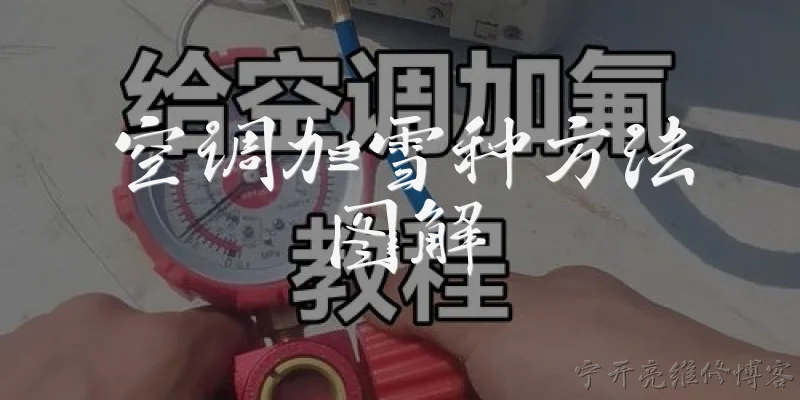
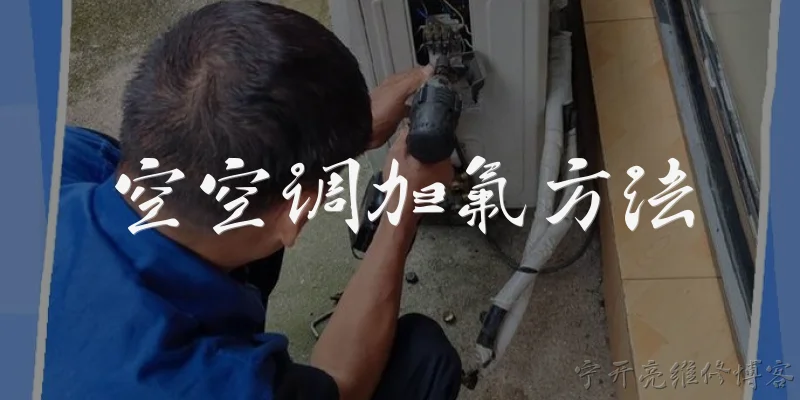
A: Adding refrigerant in 2026 starts with confirming the system actually needs a charge, since low pressure often signals a leak rather than normal loss. Under the 2025 AIM Act rules now fully enforced, common R-410A systems are being phased down in favor of mildly flammable A2L refrigerants like R-454B and R-32, so the first step is identifying the exact refrigerant on the unit's nameplate and never topping off with a mismatched type. You will need EPA Section 608 certification to legally purchase and handle refrigerant. Connect a manifold gauge set to the service ports, purge the lines, and charge in vapor form through the low-side port with the system running, watching superheat or subcooling targets rather than just pressure. By 2026, many techs use digital manifolds with automatic A2L leak detection and recovery modes. Weigh refrigerant in with a scale for the most accurate charge. If the system keeps losing charge, stop adding gas and find the leak, because venting refrigerant is illegal and repeated top-offs damage the compressor and the environment.
Q: Can a homeowner legally add refrigerant to their own AC in 2026?
A: In most cases, no, and 2026 rules make this clearer than ever. Under EPA Section 608 regulations, anyone who buys or handles regulated refrigerants, including HFCs and the newer A2L blends such as R-454B and R-32, must hold at least a Type I certification. That applies whether you are a technician or a homeowner. Some very small sealed systems using exempt substitutes are an exception, but a central air conditioner is not one of them. Beyond the law, there are safety reasons: A2L refrigerants are mildly flammable and require proper ventilation, leak detection, and no open flames. Overcharging or undercharging affects efficiency, raises energy bills, and can destroy the compressor. If you suspect low refrigerant, the right move in 2026 is to call an EPA-certified HVAC pro. They will pressure-test, locate the leak, repair it, then evacuate and recharge to the manufacturer's exact weight. This approach is safer, keeps your warranty valid, and avoids fines that now run into tens of thousands of dollars per violation.
Q: What tools and steps are needed to properly charge an A2L air conditioner with refrigerant in 2026?
A: Charging a 2026 A2L system such as R-32 or R-454B requires updated tools because standard manifolds may not be rated for mildly flammable refrigerants. You will need an A2L-compliant digital manifold or gauge set, a refrigerant scale accurate to half an ounce, a vacuum pump with micron gauge, certified recovery equipment, and an A2L-rated leak detector. Begin by recovering any existing charge if the system was opened, then pull a deep vacuum below 500 microns and hold it to confirm no leaks or moisture. With the system running in cooling, connect to the low-side service port and charge in vapor form, adding liquid only if the manufacturer specifies it. Use the unit's charging chart and measure superheat or subcooling rather than relying on pressure alone, since A2L blends can fractionate. Weigh in the exact nameplate charge when possible. Verify airflow, then document the refrigerant type, amount added, and leak test results. By 2026, many jurisdictions also require reporting refrigerant quantities, so accurate records protect both you and the customer.
Dialogue about
Common scenarios of "How to Add Refrigerant to an Air Conditioner"
【Customer】 Hi, my air conditioner isn't cooling well. I think it might need more refrigerant. Can you help me add some?
【Technician】 Hello! I'd be happy to help. Before we add refrigerant, we need to diagnose the system. Low refrigerant is often a symptom of a leak, not just a need for a top-up. Do you know when it was last serviced?
【Customer】 It's been about two years since the last check-up. The air isn't as cold as it used to be, and the outdoor unit seems to run constantly.
【Technician】 That does sound like a refrigerant issue. But adding refrigerant without fixing a leak is only a temporary fix and can harm the environment. Let me check the system pressure first to confirm.
【Customer】 Okay, how do you check the pressure? Do I need any special tools?
【Technician】 Yes, you'll need a manifold gauge set, which measures both high and low side pressures. Also, you'll need refrigerant, usually R-410A or R-22 depending on your unit. But remember, handling refrigerant requires certification in many places. Do you have experience with this?
【Customer】 Not really. I was hoping to do it myself to save money. Is it safe for a DIYer?
【Technician】 It can be dangerous if you're not trained. Refrigerant can cause frostbite and is under high pressure. Also, if you overcharge, you can damage the compressor. I strongly recommend hiring a professional. But if you insist, I can guide you through the basic steps with caution.
【Customer】 I understand the risks. Could you walk me through the process? I'll be careful and wear protective gear.
【Technician】 Alright. First, make sure the AC is off and the power is disconnected. Then, locate the service valves on the outdoor unit. They are usually covered by caps. Remove the caps and connect the manifold gauges: blue hose to the low-pressure side, red to the high-pressure side, and yellow to the refrigerant tank.
【Customer】 Got it. What should the pressure readings be?
【Technician】 That depends on the ambient temperature and the type of refrigerant. Typically, for R-410A, the low side should be around 120-140 psi and the high side around 350-400 psi at 85°F outdoor temp. But always check the manufacturer's specs. If the low side is too low, it indicates a need for refrigerant.
【Customer】 Okay, my low side is reading about 90 psi. That seems low. Should I add refrigerant now?
【Technician】 Yes, but add it slowly in small increments. Open the valve on the refrigerant tank slightly and let it flow into the low side. Keep an eye on the gauges. The low side should rise to the recommended level. Don't overfill; stop when it reaches the target.
【Customer】 How do I know when it's enough? Just by the pressure?
【Technician】 Pressure is a key indicator, but also check the temperature difference between the return and supply air. It should be about 15-20°F. If it's within that range and pressures are normal, you're good. Also, listen for any unusual noises.
【Customer】 I've added some, and the low side is now at 125 psi. The air feels colder. But I noticed some oil residue around the service valve. Is that a problem?
【Technician】 That's a sign of a leak. Oil often escapes with refrigerant. You'll need to fix that leak, or the refrigerant will just leak out again. You might need to replace the valve core or tighten connections. If it persists, call a professional.
【Customer】 Okay, I'll keep an eye on it. Should I disconnect everything now?
【Technician】 Yes, close the refrigerant tank valve, then disconnect the hoses carefully. Reinstall the caps on the service valves. Turn the power back on and test the system. Monitor it for a few days to ensure it's cooling properly. If it stops cooling again, you definitely have a leak that needs professional repair.