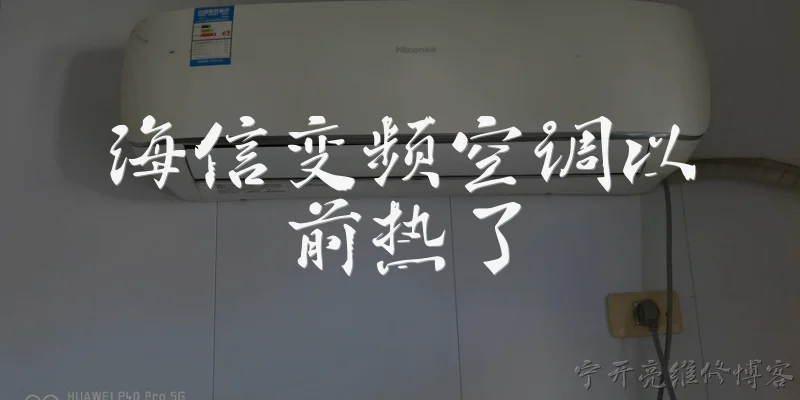
Air conditioner inverter voltage:What is the typical voltage range for an inverter air conditioner?
Q: What is the typical voltage range for an inverter air conditioner?
A: Inverter air conditioners typically operate within a voltage range of 220-240V for single-phase residential units in regions like Europe and Asia, and 110-120V in North America, according to the International Electrotechnical Commission (IEC) Standard 60335-1. These units use variable-frequency drives to adjust compressor speed, allowing operation across a wider voltage tolerance, often ±10% of nominal. For example, a 230V system may function between 207V and 253V. The U.S. Department of Energy's Building Technologies Office notes that inverter technology enhances efficiency by maintaining stable operation despite voltage fluctuations, reducing energy waste and extending compressor life.
Q: How does voltage affect the performance of an inverter air conditioner?
A: Voltage directly impacts an inverter air conditioner's efficiency and reliability. According to the IEC 60335-2-40 standard, inverter units are designed to handle voltage fluctuations by adjusting compressor frequency, but extreme deviations can cause overheating or shutdown. For instance, low voltage (below 198V for a 220V system) may force the compressor to draw higher current, leading to overheating, while high voltage (above 253V) can damage electronic components. The U.S. Environmental Protection Agency's ENERGY STAR program highlights that stable voltage ensures optimal energy efficiency, with inverter models achieving up to 30% savings compared to non-inverter types under normal grid conditions.
Q: Can an inverter air conditioner run on different voltages, such as 110V or 220V?
A: No, inverter air conditioners are voltage-specific and cannot run on different voltages without a transformer or voltage converter. The U.S. Department of Energy's Appliance Standards Rule (10 CFR Part 430) specifies that residential AC units are designed for either 110-120V (North America) or 220-240V (Europe/Asia), and using the wrong voltage can void warranties and damage the inverter module. For dual-voltage operation, a step-up or step-down transformer is required, but this reduces efficiency. The IEC 60038 standard defines these voltage bands to ensure compatibility and safety across regions.
Q: What are the voltage requirements for inverter air conditioners in North America?
A: In North America, inverter air conditioners typically require 115V or 230V single-phase power, as per the National Electrical Code (NEC) Article 440 and the U.S. Department of Energy's efficiency standards. Most residential split systems use 230V for higher capacity, while window or portable units may use 115V. The Association of Home Appliance Manufacturers (AHAM) reports that voltage tolerance is usually ±10%, so a 230V unit operates between 207V and 253V. Proper grounding and circuit breakers are essential, and the DOE recommends professional installation to meet local codes and ensure energy efficiency.
Q: How does inverter technology handle voltage fluctuations in air conditioners?
A: Inverter technology manages voltage fluctuations by converting AC power to DC and then back to AC at variable frequencies, as explained in the IEC 61800-3 standard for adjustable speed drives. This allows the compressor to adjust its speed smoothly rather than turning on/off, maintaining performance even when voltage varies by up to ±15%. The U.S. Department of Energy's Building America Program notes that this reduces stress on the grid and prevents peak demand issues. Additionally, advanced inverters include protection circuits to shut down during extreme voltage sags or surges, preventing damage and ensuring safety, as per UL 60335-2-40 requirements.
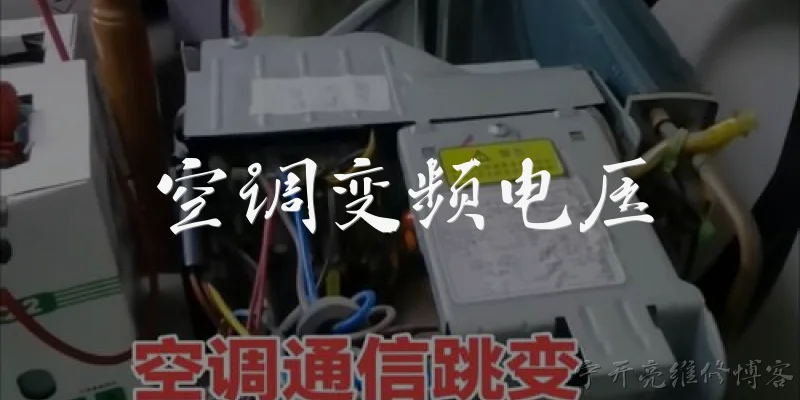
Dialogue about
Common scenarios of "Air conditioner inverter voltage"
【Customer】 Hi, I recently bought an inverter air conditioner and I'm a bit confused about the voltage requirements. The manual says it can operate on a wide voltage range. Can you explain what that means?
【Technician】 Of course! Inverter air conditioners are designed to handle voltage fluctuations better than non-inverter models. Typically, they can operate on a range like 150V to 250V. This means even if your home voltage drops or spikes, the AC will still run efficiently.
【Customer】 So does that mean I don't need a voltage stabilizer?
【Technician】 Not necessarily. While inverter ACs are more tolerant, extreme fluctuations beyond the specified range can still cause damage. If your area has severe voltage issues, a stabilizer is still recommended.
【Customer】 What is the typical voltage range for inverter ACs? Mine says 160V-260V. Is that standard?
【Technician】 Yes, that's quite common. Many inverter ACs have a range of 150V-250V or 160V-260V. It varies by brand and model. The key is that they can adjust the compressor speed to cope with lower voltages without shutting down.
【Customer】 How does the inverter technology actually handle voltage changes?
【Technician】 The inverter converts AC power to DC, then back to AC with variable frequency. This allows the compressor to run at different speeds. When voltage is low, it can draw more current to maintain power, but within limits. It's more efficient and avoids the sudden on/off cycles of non-inverter ACs.
【Customer】 I see. So if the voltage drops below 160V, what happens?
【Technician】 If voltage goes below the minimum, the AC might shut down to protect itself, or it might not start at all. Some models have a low-voltage protection feature that cuts power to prevent damage.
【Customer】 Is it safe to run the AC during voltage fluctuations?
【Technician】 Generally, yes, as long as fluctuations are within the operating range. But if you notice frequent flickering lights or other appliances acting up, it's best to turn off the AC and check your electrical system.
【Customer】 What about high voltage? Can that damage the AC?
【Technician】 Yes, high voltage can be just as damaging. Most inverter ACs have an upper limit, like 260V or 270V. Beyond that, the internal components might overheat or fail. Some models have overvoltage protection, but it's not foolproof.
【Customer】 Should I get a voltage stabilizer for my inverter AC?
【Technician】 If your voltage is relatively stable within the operating range, you might not need one. But if you experience frequent brownouts or spikes, a stabilizer is a good investment. It ensures the AC gets consistent voltage, prolonging its life.
【Customer】 What type of stabilizer is best for inverter ACs?
【Technician】 Look for a stabilizer designed for inverter ACs, with a wide input range and sufficient capacity (VA rating). It should match or exceed the AC's power requirements. Also, consider one with a delay timer to protect against short power interruptions.
【Customer】 Can I use a regular stabilizer meant for non-inverter ACs?
【Technician】 It's not recommended. Inverter ACs have different power profiles, and a regular stabilizer might not provide the precise voltage regulation needed. It could even cause issues. Always use a stabilizer specifically rated for inverter ACs.
【Customer】 Thanks for the info. I think I'll check my home voltage first before deciding on a stabilizer.
【Technician】 That's a wise approach. You can use a multimeter to monitor your voltage over a few days. If it stays within the AC's range, you're probably fine. If not, invest in a good stabilizer. Feel free to reach out if you have more questions!