What does E1 fault mean on a Gree inverter air conditioner?:2026年格力变频空调显示E1代码代表什么故障?
Q: 2026年格力变频空调显示E1代码代表什么故障?
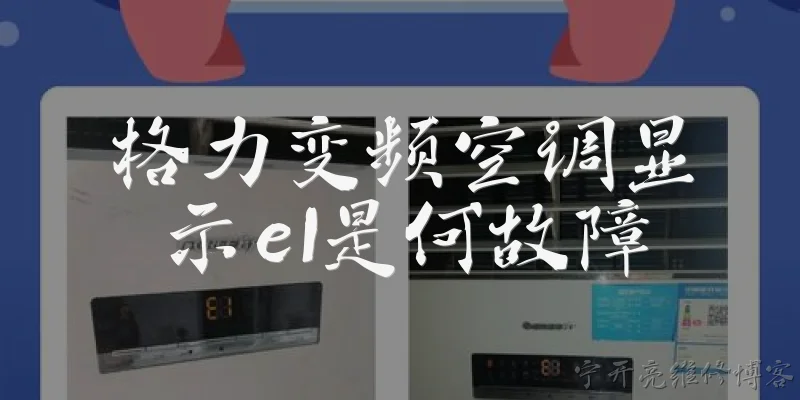
A: 在2026年格力变频空调中,E1代码通常代表高压保护或系统压力异常。具体来说,它可能由室外冷凝器散热不良、冷媒过多、电子膨胀阀故障或室外管温传感器异常引起。2026年新款格力变频机型增加了智能诊断功能,会同步推送详细故障信息到手机APP,比如提示“高压保护”或“排气温度过高”。用户可先检查室外机是否被杂物堵塞、风扇是否运转正常,并清洗冷凝器。如果问题依旧,建议通过格力官方服务预约检测,因为2026年部分机型已采用环保冷媒R32,压力参数与老款不同,自行处理有风险。
Q: 格力变频空调出现E1故障后,2026年还能继续使用吗?
A: 不建议继续使用。2026年格力变频空调的E1故障属于保护性停机,意味着系统检测到高压异常或压缩机排气温度过高。如果强制运行,可能导致压缩机损坏、冷媒泄漏甚至电路板烧毁。2026年新款机型在E1出现后会自动锁定,并显示“请检修”提示,同时通过格力+APP推送安全警告。用户应立即关机,断开电源,并检查室外机散热环境。若环境正常,可能是传感器或主板故障,需专业售后用2026年新版诊断仪读取故障码。继续使用不仅影响制冷效果,还可能缩短整机寿命,增加维修成本。
Q: 2026年格力变频空调E1故障如何自行排查和解决?
A: 2026年用户可以按以下步骤排查:首先,断电后检查室外机冷凝器是否积灰严重,用软毛刷或低压水枪清洗;其次,确认室外风扇电机是否运转,若卡死则需更换;第三,检查室内外连接线是否老化或松动,特别是通讯线。2026年格力部分机型支持APP自检,可查看故障历史。若以上正常,可能是冷媒压力过高或电子膨胀阀卡死,这需要专业工具。注意,2026年新机型使用R32冷媒,禁止用户自行加注或放氟。若清洗后E1仍出现,请通过格力官网或小程序报修,售后会使用2026年新版压力检测仪和示波器精准定位。自行拆机可能失去保修资格。
Dialogue about
Common scenarios of "What does E1 fault mean on a Gree inverter air conditioner?"
【User】 Hi, I have a problem with my Gree inverter air conditioner. It's showing an E1 fault code. What does that mean?
【Assistant】 Hello! I'm here to help. The E1 fault code on a Gree inverter air conditioner typically indicates a high-pressure protection issue. This means the system's high-pressure side has exceeded safe limits, triggering a safety shutdown.
【User】 High-pressure protection? What could cause that?
【Assistant】 Common causes include a dirty outdoor condenser coil, a malfunctioning outdoor fan motor, refrigerant overcharge, or a blockage in the refrigeration system. It can also be due to a faulty high-pressure switch or a problem with the control board.
【User】 How can I check if the outdoor coil is dirty?
【Assistant】 You can visually inspect the outdoor unit. If the coils are covered with dust, dirt, or debris, that's likely the issue. Ensure the power is off before checking. You can clean it with a soft brush or coil cleaner.
【User】 What about the outdoor fan? How do I know if it's working properly?
【Assistant】 Turn on the AC and observe the outdoor fan. It should start running when the compressor kicks in. If it doesn't spin or spins slowly, the fan motor or capacitor might be faulty. Also, check for any obstructions around the fan blades.
【User】 Could low refrigerant cause E1? I thought low refrigerant causes low pressure.
【Assistant】 You're correct that low refrigerant typically causes low-pressure issues, but in some cases, it can lead to high pressure if there's a restriction. However, overcharge is more directly linked to high pressure. It's best to check refrigerant levels with gauges.
【User】 I see. What should I do if the coil is clean and the fan is working?
【Assistant】 If those are fine, the issue might be with the high-pressure switch, the control board, or a refrigerant overcharge. I recommend calling a professional technician to diagnose further, as it involves handling refrigerant and electrical components.
【User】 Is it safe to keep running the AC with the E1 fault?
【Assistant】 No, it's not safe. The E1 fault indicates a protective shutdown. Continuing to run the unit could damage the compressor or other components. Turn off the AC and address the issue before restarting.
【User】 How do I reset the fault code after fixing the issue?
【Assistant】 After fixing the underlying problem, you can reset the system by turning off the power at the breaker for about 5 minutes, then turning it back on. Some models may have a reset button on the indoor unit or remote. Check your manual for specific instructions.
【User】 What if the E1 code persists after cleaning the coil and resetting?
【Assistant】 If the code persists, there's likely a more complex issue such as a faulty sensor, control board, or refrigerant problem. It's best to contact a qualified HVAC technician to properly diagnose and repair the system.
【User】 Thanks for the info. I'll try cleaning the coil first and see if that helps.
【Assistant】 You're welcome! Cleaning the coil is a good first step. If the problem continues, don't hesitate to seek professional help. Good luck!